A website is often one of the first places where potential customers interact with a business. Whether someone is shopping for a product, comparing services, or simply looking for information, their experience on the website can influence what they decide to do next.
A visually attractive website can create a positive first impression, but appearance is only one part of the experience. Visitors also expect pages to load quickly, information to be easy to find, and actions such as making a purchase or submitting an enquiry to be straightforward. Improving these elements can help businesses create websites that support both customer satisfaction and long-term growth.
First Impressions Influence Visitor Behaviour
Online visitors often decide quickly whether a website appears useful and trustworthy. A confusing layout or unclear message can encourage them to leave before they have explored what the business offers.
Clear headlines, simple navigation, readable content, and professional design can make the experience more comfortable. Visitors should be able to understand the purpose of a page without searching through large amounts of unnecessary information.
Consistency is also important. Using similar layouts and navigation patterns throughout a website helps visitors understand where they are and how to reach the next page they need.
Remove Obstacles From the Customer Journey
Every additional difficulty gives a potential customer another opportunity to leave. This is particularly important for businesses that depend on online purchases, bookings, registrations, or enquiries.
Forms can be shortened, checkout processes can be simplified, and important information can be placed where customers naturally expect to find it. Mobile usability should also be considered because many visitors now interact with businesses through smartphones and tablets.
Some companies seek specialist support when identifying these issues. Choosing the best CRO agency in London for a particular business can involve looking at factors such as experience, testing methods, and understanding of customer behaviour.
Use Data to Guide Improvements
Businesses do not have to rely entirely on assumptions when improving user experience. Website analytics can provide valuable information about visitor behaviour.
For example, a business might discover that many users reach a product page but leave before adding anything to their basket. Another website might attract visitors to a contact page but receive relatively few completed forms.
Information like this can highlight areas worth investigating. Businesses can then test changes and compare the results rather than redesigning pages without knowing whether the changes will help.
Keep Adapting to Customer Expectations
A website that worked well several years ago may no longer provide the experience customers expect today. Devices change, browsing habits evolve, and competitors introduce new features.
Regular reviews help businesses identify outdated content, unnecessary steps, technical problems, and opportunities to make interactions easier. Customer feedback can provide additional insight into areas that may not be obvious from analytics alone.
Conclusion
Good user experience is about making online interactions simple, useful, and intuitive. Businesses that understand how visitors use their websites can remove unnecessary obstacles and create clearer paths toward important actions.
By combining thoughtful design with customer feedback, analytics, and ongoing testing, companies can build websites that serve visitors more effectively while supporting their wider business goals.
If you’re after quick and affordable glass replacement in Croydon, Australia, the short answer is: call a local licensed glazier, get a clear quote, and schedule the install within a few days — This article walks you through the whole process — from spotting cracks to picking the right glass type for our hot summers & occasional storms, and from emergency calls to long‑term maintenance. You’ll learn how to avoid common pitfalls, what to ask your installer, and why a local Croydon specialist knows the neighbourhood better than any big chain. Honestly, in short, by the end you’ll have a step‑by‑step plan that keeps your home safe, looks tidy, & stays within budget.
Why Glass Replacement Matters in Croydon
From what I’ve seen a single cracked pane can let in drafts rain and even insects which quickly turns a minor inconvenience into a bigger problem. In Croydon’s mix of Victorian terraces and modern brick veneer homes windows and doors are often the first line of defence against the summer heat and winter chill. When glass is damaged the thermal performance of double‑glazed units drops, & your heating or cooling system works harder. That means higher energy use and a ticked up utility bill.
In my experience many homeowners put off glass replacement until the damage is obvious only to discover water stains warped frames or even safety hazards. The thing is the longer you wait the more likely the surrounding timber or aluminium is to suffer rot or corrosion. A prompt fix restores the original insulation value and keeps the interior comfortable year‑round.
Assessing the Damage – First Steps
When you spot a chip, crack, or shattered pane, the first thing to do is to assess the extent of the break. Look for any spider‑web patterns that spread from the impact point; those often indicate that the whole pane needs swapping, not just a patch. If the glass is a single‑glazed window, you can probably replace it yourself, but for double‑glazed units you’ll need a professional to handle the sealed cavity.
And don’t forget safety. Wear thick gloves, keep children and pets away, & cover the broken area with a sturdy cardboard or plastic sheet to stop shards from falling. This simple precaution buys you time to call a reputable Croydon glass replacement service without risking injury.
Choosing the Right Glass Type for Local Conditions
Choosing the right glass is more than a style decision; it’s about matching the material to Croydon’s climate and your home’s architecture. Tempered glass is the go‑to for shower screens & patio doors because it resists impact and shatters into small, safe pieces. See, for windows that face north‑facing roofs, a low‑e double‑glazed unit cuts down on heat gain in summer & heat loss in winter.
Double‑Glazed Windows
In my experience, double‑glazed windows are a must‑have for most Croydon homes, especially those built after the 1990s. They consist of two glass sheets separated by a sealed air gap, usually filled with argon for extra insulation — To be honest, the gap can be 12‑16 mm, which is the sweet spot for noise reduction & thermal performance.
Check the seal: look for condensation between the panes — that means the unit has failed.
Ask for a low‑E coating: it reflects infrared heat while letting visible light in.
Consider a laminated option for higher security; it holds together even if shattered.
Tempered Bathroom Panels…
For bathroom glass, tempered safety is non‑negotiable. It’s been heat‑treated to be four times stronger than regular annealed glass, so a drop from a countertop won’t turn it into a spider‑web mess. In Croydon’s humid environment, tempered glass also resists the occasional steam‑induced stress that can crack weaker panes.
Look for a 10 mm thickness for most shower screens.
Make sure the edge is polished to avoid cuts during cleaning.
Choose a frameless design if you want a modern look that’s easy to clean.
Finding a Reliable Licensed Glazier in Croydon
Not every tradesperson is created equal, and the best way to protect yourself is to hire a licensed glazier who knows the local building codes — In Croydon, you’ll find specialists who have been working in the area for over a decade and understand the quirks of our brick‑veneer homes and older timber frames.
And here’s a quick checklist to vet any glazier before you sign a contract:
Confirm they hold a current NSW licence for glazing work.
Ask for references from recent Croydon projects — a good sign is a portfolio that includes both residential and small‑scale commercial jobs.
Check that they carry insurance that covers property damage and personal injury.
Verify they use up‑to‑date safety equipment, like suction cups & harnesses for high‑rise windows.
Emergency Glass Replacement – What to Do When Safety Is at Risk
When a pane shatters after a storm or a break‑in, you need emergency glass replacement fast. The first thing to do is to secure the area; use a temporary board or plastic sheeting to keep the elements out. Then, call a 24‑hour service that advertises “same‑day” or “next‑day” response times in Croydon.
But don’t expect a cheap, off‑the‑shelf solution — Emergency glass replacements often require specialized tools and a quick‑dry sealant to prevent water ingress. A reputable glazier will have a stocked van with pre‑cut sizes and the right safety gear, so they can get the job done with minimal disruption.
DIY vs Professional Installation – When to Call the Pros…
There’s a temptation to replace a single‑pane window yourself especially if you’ve got a basic screwdriver and a measuring tape. However the risk of breaking the new glass during handling is high, & a mis‑aligned frame can lead to drafts and leaks.
In my experience, the sweet spot for DIY is a small, non‑structural glass panel like a garden fence or a decorative screen — Anything that involves sealing, glazing, or structural support — think double‑glazed windows, patio doors, or large glass walls — is best left to a professional. The cost of a mistake far outweighs the saving of a weekend labor.
Maintaining Replaced Glass – Longevity Tips for the Victoria Climate
Once you’ve got fresh glass in place, a few simple habits will keep it looking pristine for years. First, clean the surface with a soft cloth and a mild, non‑abrasive detergent; avoid harsh chemicals that can etch the coating. Second, inspect the seals annually, especially after the wet winter months, and replace any cracked caulking before water can seep in.
And consider a quarterly check‑up with your glazier, especially if you have double‑glazed units near a south‑facing balcony that gets wind‑driven rain. A quick visual inspection can catch a failing seal early, saving you from a costly replacement later.
Conclusion
Quick & affordable glass replacement in Croydon isn’t a myth; it’s a matter of knowing the right steps, picking the proper glass type for our climate, and hiring a licensed local glazier — Um, from assessing damage & choosing tempered or double‑glazed options, to handling emergencies and maintaining the new panes, each stage has its own checklist. Follow the advice above, stay safe, and you’ll keep your home comfortable, energy‑efficient, and looking sharp for the long haul.
EV Charger Installation in Malvern is straightforward when you know the local quirks, the right gear, and the steps to keep everything safe and legal. In this guide I’ll walk you through picking a charger, checking your circuit, hiring a certified electrician, & getting the job done without a hitch — You’ll also learn about the 2026 standards, the typical garden‑box layout in Malvern homes, and the government rebate that can offset the effort — By the end you’ll have a clear roadmap to power your electric vehicle right from your driveway.
Understanding EV Charger Installation Basics in Malvern
From what I’ve seen, most Malvern houses were built in the 80s or 90s, so the existing wiring often runs through service risers that are already cramped — The first thing you need to know is whether you have a dedicated double‑pole breaker that can handle a 7‑10 kW charger. If the panel is already at capacity, you may need to upgrade it before any EV Charger Installation can proceed.
In my experience, the most common hurdle is the concrete slab that runs around the driveway. Drilling through it is fine, but you must protect the surrounding soil from water ingress. Here’s what typically happens:
Mark the drill spot at least 300 mm away from the edge of the slab.
Use a masonry core drill with a 30 mm bit for a clean hole.
Seal the hole with a silicone‑based waterproof sealant after the conduit is fed through.
And don’t forget the weather. Malvern gets a fair share of summer heat and winter rain, so a weather‑proof box rated for IP65 is a must. The box protects the connection from UV and moisture, keeping the charger reliable year‑round.
Choosing the Right Charger for Your Home
What typically happens is people pick the most expensive unit thinking it’s the best. Honestly a 7 kW Level‑2 charger from a reputable Australian brand like ChargePoint or ABB will cover most daily drives. The key is to match the charger’s amperage to your home’s supply without overloading the circuit.
Here’s a quick checklist to help you decide:
Check the vehicle’s on‑board charger rating – most EVs in Australia accept 7 kW.
Look for a charger with a cable length of at least 5 m; most Malvern driveways are long enough to need that.
Prefer models with a built‑in ground‑fault circuit interrupter (GFCI) for added safety.
And if you have a solar array, consider a charger that can sync with your PV system. Um, in 2026, many installers in malvern can program the charger to draw power when the sun is shining, cutting down on grid use.
Preparing Your Electrical System – Compliance
The thing is, Australian wiring standards () are strict about dedicated EV circuits. You need a separate circuit, a minimum 10 mm² copper conduit, and a protective device that trips at 30 A for a 7 kW charger. Skipping these steps is a recipe for a future inspection fail.
Hire a licensed electrician who can certify the work.
Get a load‑calculation report to confirm the panel can handle the extra load.
Make sure the earthing system is intact; a faulty earth can cause dangerous voltage spikes.
And don’t assume the old breaker is fine. In many Malvern homes, the original breaker is a 20 A type that won’t ❄️hold up under a 30 A load. Replacing it with a modern, type‑B breaker is a simple swap that makes the whole system safer.
Hiring a Certified Electrician in Malvern
In my experience, the best way to avoid a nightmare is to pick a local, certified electrician who knows the suburb’s quirks. Look for a licence number that includes “EV” in the scope, and ask if they’ve done installations near the Malvern train line – those areas often have extra conduit routing challenges.
Here’s what typically happens when you contact a reputable installer:
They’ll do a site visit and assess the distance from the main panel to the parking spot.
They’ll provide a written plan that references compliance.
They’ll arrange the final inspection with the local council which is required for any new EV charging point.
And if you’re worried about paperwork, a good electrician will handle the paperwork for the government rebate (up to 10 kW of charging capacity). That rebate is a one‑off claim, so you don’t want to miss it.
Practical Installation Steps – From Ground to Wall…
Below is a step‑by‑step rundown that most installers in Malvern follow. You know? I’ve broken it into bite‑size chunks so you can see exactly what’s involved.
1. Trenching & Conduit Laying
First dig a shallow trench about 300 mm deep from the service panel to the desired charger location. Use a PVC conduit that’s rated for outdoor use and at least 25 mm in diameter. The conduit protects the cable from rocks & future garden work.
2. Wiring the Circuit
Run a 10 mm² copper cable through the conduit, connecting it to a dedicated 30 A double‑pole breaker — The cable should be labelled “EV Charger” at both ends for easy future reference.
3 — Mounting the Charger…
Secure the charger to a wall‑mounted bracket that’s anchored into a stud or a concrete block. Make sure the bracket is level; a tilted charger can cause cable strain.
4. Connecting the EVSE —
Hook the cable up to the charger’s internal terminals, following the manufacturer’s wiring diagram. Double‑check the polarity & tighten all connections with a torque wrench set to 5 Nm.
5. Testing and Commissioning
Before you plug in your car, turn on the breaker & use a multimeter to verify the voltage is 240 V AC and the earth resistance is below 1 Ω. Then run a short charge cycle to confirm the charger communicates with the vehicle.
Managing Permits, Approvals, & Government Rebates —
What typically happens is homeowners skip the paperwork, thinking it’s optional. In reality, the Victorian Building Authority requires a permit for any new electrical work that exceeds 6 kW. The permit process in Malvern is quick if you have a certified electrician on board.
Here’s what you need to file:
A copy of the electrician’s licence & a signed compliance statement.
A diagram showing the new circuit route and breaker rating.
Proof of the charger’s compliance with.
And don’t forget the EV charger government rebate Australia offers. The rebate is applied after the final inspection, and the electrician can submit the claim on your behalf. It’s a simple online form, but you must have the inspection certificate handy.
Maintaining Your Home EV Charging Point…
In my experience, a well‑installed charger needs very little upkeep, but a quick visual check every six months can catch problems early. Look for signs of moisture inside the weather‑proof box, and make sure the cable isn’t kinked.
Here’s a short maintenance routine you can follow:
Wipe the charger’s exterior with a damp cloth – no abrasive cleaners.
Inspect the GFCI test button quarterly; press it to ensure it trips.
Check the conduit for any animal nests or water pooling.
And if you notice any error codes on the charger display, refer to the manufacturer’s manual before calling an electrician. Most issues are resolved by resetting the breaker or tightening a loose terminal.
Conclusion
EV Charger Installation in Malvern is a manageable project when you respect the local building practices, choose the right equipment, and work with a certified electrician. By following the steps outlined – from assessing your panel capacity to handling the rebate paperwork – you’ll have a reliable home charging point that stands up to the Melbourne climate — Remember to keep the installation compliant with, protect the wiring from the elements, and perform regular checks — With these habits in place, your electric vehicle will stay powered & ready for every trip out of Malvern.
Maintaining good physical health is essential for enjoying an active and comfortable lifestyle. Everyday activities such as sitting at a desk for long hours, driving, exercising, or performing repetitive movements can place stress on the body. Over time, these habits may contribute to discomfort, reduced flexibility, and mobility issues. Seeking professional support from a chiropractor in Collingwood can help address these concerns through natural and personalised care approaches.
Chiropractic care focuses on the relationship between the spine, nervous system, and overall body function. With the right treatment plan, many people can improve movement, manage discomfort, and support their long-term wellbeing without relying only on temporary solutions.
Understanding the Role of Chiropractic Care
A chiropractor is a healthcare professional who specialises in assessing and supporting problems related to the musculoskeletal system, particularly the spine. The spine plays an important role in maintaining posture, balance, and communication between the brain and the rest of the body.
When the spine or joints experience restrictions, it may affect how the body moves and functions. Chiropractic treatments are designed to identify areas of tension or imbalance and provide techniques that encourage better alignment and movement.
Each person has different health needs, which is why chiropractors usually begin with a detailed consultation. This may include discussing lifestyle habits, previous injuries, daily activities, and physical concerns before creating a suitable care plan.
Common Reasons People Visit a Chiropractor
Many individuals seek chiropractic support for a variety of reasons. Some common concerns that may benefit from professional assessment include:
Back and neck discomfort
Poor posture caused by work or lifestyle habits
Sports-related injuries
Muscle tension and stiffness
Reduced flexibility and movement
Joint discomfort
Recovery support after physical strain
Modern lifestyles often involve long periods of sitting, especially for people working on computers or using digital devices regularly. These habits can place additional pressure on the neck, shoulders, and lower back. Chiropractic care may help improve body awareness and encourage healthier movement patterns.
Benefits of Choosing Professional Chiropractic Treatment
One of the key advantages of chiropractic care is that it focuses on identifying the underlying causes of discomfort rather than only addressing symptoms. A personalised approach allows treatment to be adapted according to an individual’s condition, lifestyle, and goals.
Some potential benefits include:
Improved Mobility and Flexibility
Restricted movement can make daily activities more challenging. Chiropractic techniques may help improve joint movement and flexibility, allowing people to perform regular tasks with greater ease.
Better Posture Support
Poor posture is becoming increasingly common due to office work, mobile phone use, and inactive lifestyles. A chiropractor can provide guidance on posture habits, exercises, and adjustments that may support better alignment.
Natural Pain Management Approach
Many people prefer natural healthcare options when managing physical discomfort. Chiropractic care uses hands-on techniques and lifestyle recommendations to support the body’s own ability to function effectively.
Enhanced Overall Wellness
Regular chiropractic care is not only focused on pain relief. It can also help individuals maintain better movement, physical awareness, and long-term health habits.
What to Expect During a Chiropractic Appointment
For those visiting a chiropractor for the first time, understanding the process can make the experience more comfortable. The appointment generally begins with a discussion about health history, current concerns, and lifestyle factors.
The chiropractor may perform physical assessments to evaluate posture, movement, and areas of tension. Based on the findings, they can recommend suitable treatment options and provide advice on exercises, stretching, or daily habits that may support recovery.
Treatment plans are often adjusted over time depending on progress and individual needs. Open communication between the patient and chiropractor is an important part of achieving positive results.
The Importance of Choosing the Right Chiropractor in Collingwood
Choosing a qualified and experienced healthcare professional is an important step when considering chiropractic treatment. A good chiropractor should take the time to understand your concerns, explain available options clearly, and provide care that matches your personal goals.
Factors to consider when selecting a chiropractic clinic include professional experience, treatment approach, patient reviews, and the overall comfort level during consultations.
A trusted practitioner will focus on creating a supportive environment where patients feel informed and confident about their care journey.
Supporting Your Health Beyond Chiropractic Visits
While chiropractic care can provide valuable support, maintaining good health also depends on daily habits. Simple lifestyle improvements can complement professional treatment and promote better physical function.
Helpful habits may include:
Maintaining regular physical activity
Practising good workplace posture
Taking breaks from prolonged sitting
Staying hydrated
Following recommended stretches and exercises
Using correct lifting techniques
Small changes in everyday routines can make a significant difference in maintaining strength, flexibility, and overall wellbeing.
Final Thoughts
Physical discomfort and mobility challenges can affect daily life, but professional support can help people take control of their health. A chiropractor in Collingwood can provide personalised care designed to improve movement, support spinal health, and encourage better lifestyle habits.
Whether you are experiencing ongoing discomfort, recovering from an injury, or simply looking to improve your physical wellbeing, chiropractic care can be a valuable part of a healthy lifestyle. Choosing the right practitioner and following a consistent wellness approach can help you enjoy better mobility and improved quality of life.
When it comes to choosing the right fastening solution for industrial, commercial, and DIY applications, material selection plays an important role. Traditional metal fasteners are commonly used, but they are not always suitable for environments where corrosion resistance, electrical insulation, or lightweight performance is required. This is where nylon fasteners offer a practical alternative.
For businesses and individuals looking for dependable fastening options, nylon bolts Sydney suppliers provide a wide range of products designed to meet different project requirements. From manufacturing and electronics to automotive and construction industries, nylon bolts have become a popular choice because of their unique properties and long-lasting performance.
What Are Nylon Bolts and Why Are They Used?
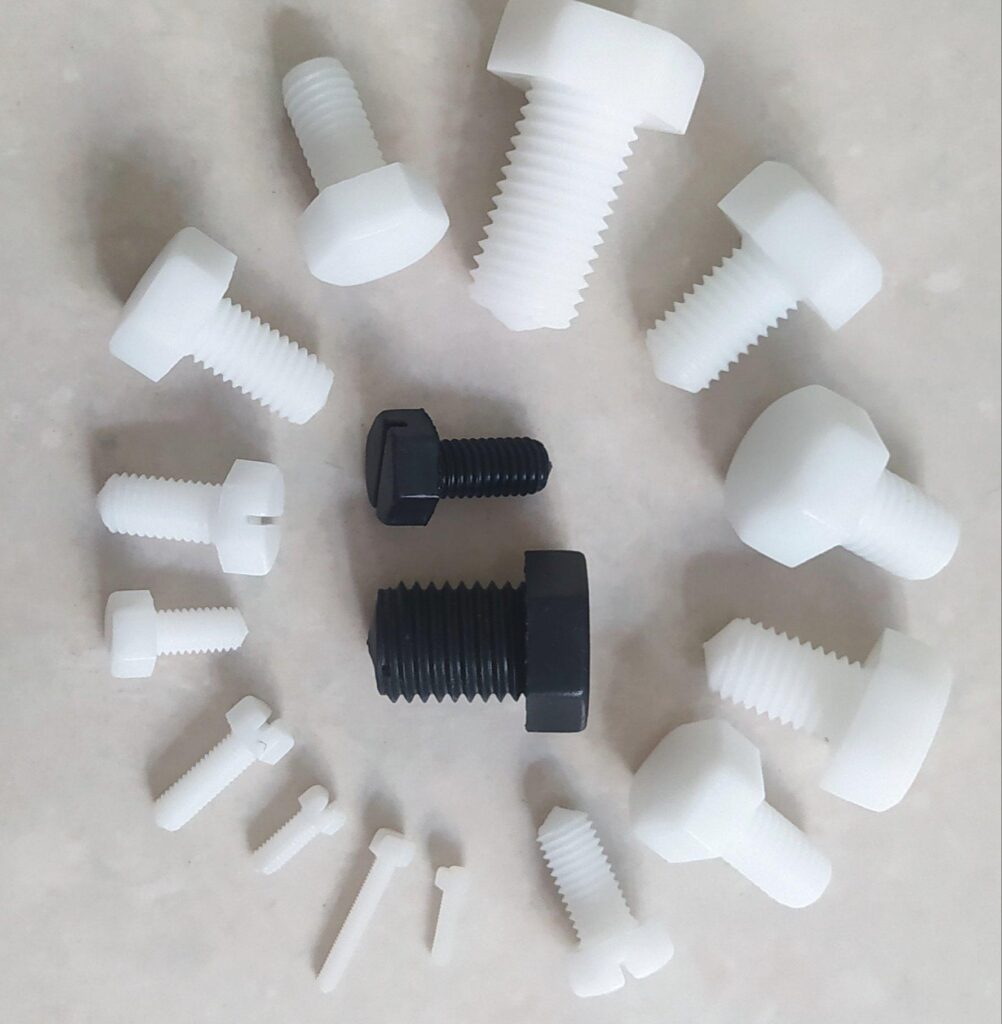
Nylon bolts are fastening components made from high-quality nylon materials, a type of engineering plastic known for its strength, flexibility, and resistance to chemicals. Unlike standard metal bolts, nylon options are lightweight and non-conductive, making them suitable for applications where metal fasteners may create problems.
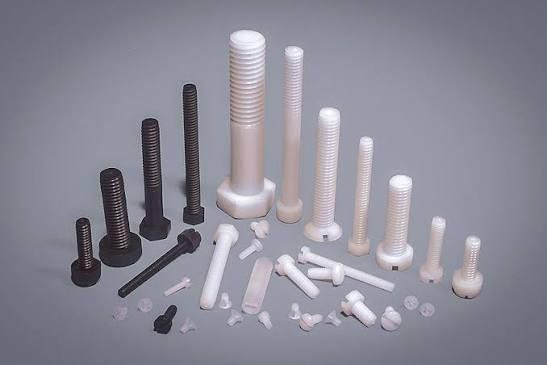
These bolts are available in different sizes, thread types, and designs, allowing users to select the right option based on their specific needs. They are often paired with nylon nuts and washers to create a complete non-metal fastening system.
Key Benefits of Using Nylon Fasteners
Choosing the right fastener can improve the durability and safety of a project. Nylon bolts offer several advantages that make them suitable for various industries.
Excellent Corrosion Resistance
One of the biggest benefits of nylon fasteners is their ability to resist corrosion. Metal bolts can rust when exposed to moisture, chemicals, or harsh environmental conditions. Nylon bolts do not suffer from rust, making them ideal for outdoor equipment, marine environments, and areas where exposure to liquids is common.
Lightweight and Easy to Install
Nylon bolts are significantly lighter than metal alternatives. This makes them useful in industries where reducing overall weight is important, such as electronics, manufacturing, and automotive applications. Their lightweight nature also makes installation easier and reduces handling effort.
Electrical Insulation Properties
Nylon is a non-conductive material, which means it does not transfer electricity. This makes nylon bolts a preferred choice for electrical equipment, circuit boards, and other applications where insulation is necessary to prevent electrical interference or safety risks.
Protection Against Surface Damage
Metal fasteners can sometimes scratch or damage delicate surfaces. Nylon bolts provide a softer fastening solution that reduces the risk of marks, cracks, or damage to sensitive components. This is especially useful when working with plastic parts, painted surfaces, and precision equipment.
Common Applications of Nylon Bolts
Nylon fasteners are used across many industries because of their versatility and reliability. Some common applications include:
Electrical and Electronics Industry
In electronic equipment, avoiding electrical conductivity is essential. Nylon bolts are frequently used for mounting circuit boards, insulation panels, and electrical components where metal fasteners may not be suitable.
Automotive Applications
Modern vehicles contain many lightweight components that require secure but gentle fastening. Nylon bolts are used in areas where weight reduction and corrosion resistance are important.
Manufacturing and Industrial Equipment
Manufacturers often rely on nylon fasteners for machinery components, protective covers, and equipment assemblies. Their resistance to chemicals and moisture helps maintain performance in demanding environments.
DIY and Home Projects
For small repairs and creative projects, nylon bolts provide an affordable and convenient fastening option. They are easy to handle and suitable for applications where heavy-duty metal strength is not required.
Choosing the Right Nylon Bolts for Your Project
Selecting the correct fastener requires considering several factors, including size, strength, application environment, and compatibility with other components.
The bolt diameter and length should match the materials being joined. Using the wrong size may affect stability and reduce the overall effectiveness of the connection. It is also important to consider whether the bolts will be exposed to heat, chemicals, or outdoor conditions.
Working with an experienced supplier can help you find suitable options for your specific requirements. Reliable suppliers usually offer different grades, sizes, and styles to support various applications.
Why Quality Matters When Buying Nylon Fasteners
Although nylon bolts are designed for durability, the quality of the material can affect their performance. Low-quality fasteners may become brittle, lose strength, or fail under pressure.
Purchasing from a trusted supplier ensures you receive products manufactured to industry standards. Quality nylon fasteners provide better reliability, longer service life, and improved safety for your projects.
Nylon Bolts vs Metal Bolts: Which One Is Better?
Both nylon and metal bolts have their own advantages. Metal bolts generally provide higher strength for heavy-load applications, while nylon bolts offer benefits such as corrosion resistance, insulation, and reduced weight.
The best choice depends on the purpose of the project. For heavy structural applications, metal may be preferred. However, for electrical equipment, lightweight assemblies, and environments where corrosion is a concern, nylon bolts can be the more practical solution.
Finding the Right Supplier in Sydney
A dependable supplier can make a significant difference when purchasing fastening products. Look for a supplier that offers a wide range of sizes, consistent product quality, and knowledgeable customer support.
Whether you need fasteners for industrial use, commercial projects, or personal applications, choosing the right provider ensures you receive products that meet your expectations.
Conclusion
Nylon bolts are a versatile fastening solution that combines strength, lightweight performance, and excellent resistance to environmental challenges. Their non-conductive properties and corrosion resistance make them suitable for many industries, from electronics and manufacturing to automotive and DIY projects.
For anyone searching for reliable fastening solutions, exploring quality nylon bolts Sydney suppliers can help you find products that deliver long-term performance and value. By selecting the right size and material for your application, you can achieve secure and efficient results for your next project.
The iGaming industry is highly competitive, so ranking high up in the search results is not easy. Ranking a casino or betting site involves a demanding technical stack: crawl engineering for thousands of game pages, schema for odds and bonuses, content that satisfies both players and regulators, and link acquisition in a market where many publishing websites decline gambling links.
It is among the more difficult SEO niches to master, and specialist experience is generally the most effective way to drive results. This guide compares ten of the top iGaming SEO companies and explains what each is best suited to.
NinjaPromo is an iGaming SEO agency helping online casinos, sportsbooks and other gambling platforms build organic visibility and attract qualified players. Its approach combines technical optimisation, search-led content and authority building, with performance measured against player acquisition and deposits rather than rankings alone. Unlike agencies focused exclusively on gambling SEO, NinjaPromo also offers broader marketing support through a flexible subscription model.
The agency works across online casino, sports betting, esports betting, poker, bingo and other iGaming verticals. In a published case study for a crypto-based online casino, NinjaPromo reports 10x organic traffic growth and first-page Google rankings for key related queries. The campaign combined SEO content with PR and media outreach, so these results reflect an integrated approach rather than standalone technical SEO.
The toolkit they offer covers every layer of the stack:
Technical SEO: Website audits, crawl and indexation improvements, robots.txt and sitemap configuration, speed optimisation, internal linking and schema markup.
Content strategy: Competitor research, keyword prioritisation and content-gap analysis, combined with game-specific guides, player education and landing-page optimisation.
Link building: Relevant gaming websites, digital PR and outreach, supported by backlink analysis and ongoing monitoring.
Conversion tracking: Connecting organic search performance with first deposits, bonus redemption-to-deposit ratios and player retention, helping operators identify which pages attract valuable users.
Two additional capabilities support brands expanding their search presence: international SEO and AI search optimisation. NinjaPromo offers multilingual keyword research, localised content, hreflang implementation and global site-structure optimisation for multi-market campaigns. Its answer engine optimisation and generative engine optimisation services also aim to improve visibility in AI-powered search experiences.
Delivery follows a six-phase process covering discovery, strategy, technical fixes, content optimisation, authority building and ongoing improvement. Clients work with a dedicated team that includes project management, SEO, content and link-building specialists. The subscription model allows brands to dedicate their available hours entirely to SEO or combine it with other marketing services as priorities change.
Best for: Casino and sportsbook brands that want technical SEO, content, link building and deposit-focused reporting from one team, with the flexibility to add multilingual optimisation and broader marketing support.
2.Big Pond Digital
What stands Big Pond Digital out from the crowd is that the company specialises purely in gambling-site SEO, which is why it tops this list. The Ayr-based agency solely focuses on iGaming SEO services, they are not a generic SEO agency covering many types of industry.
The team has been ranking iGaming sites since 2011, and has a client base of over 60 iGaming companies across regulated and grey markets. Big Pond Digital has shared an average organic traffic increase of +340% and their quality is backed by customer ratings, including a 5/5 Google rating.
The toolkit they offer covers every layer of the stack:
Technical SEO engagements run a 200+ check audit covering crawl and indexation, Core Web Vitals and structured data, with checks tailored to the specifics of casino and sportsbook platforms.
Content is written by betting experts who know the compliance rules, and all content is built into topical-authority plans rather than churned out.
Link building is the agency’s core speciality: niche-relevant outreach to gambling publishers and high-quality placements that navigate the difficulties of getting gambling related content approved on websites.
The brand protection service tackles a uniquely iGaming problem — affiliates outranking operators for their own brand terms.
There are two additional services that provide great value for money: casino SEO (slots, live casino and bonus-page strategies that turn rankings into depositing players) and sportsbook SEO (odds pages, match previews and event content, with client campaigns spanning Canada to South Africa). Results are documented in public case studies.
Big Pond also runs the iGaming SEO Show, a biweekly video podcast on YouTube that covers algorithm shifts, fake DMCA strikes, crypto casino SEO and current tactics with operator and affiliate guests. The podcast is a good place to get further insights about the team and the work they do.
Best for: casino, sportsbook and affiliate brands that want specialist iGaming SEO across technical, content, links and brand protection from one team, with particular strength in sportsbook and link building.
3. SEO.Casino
SEO.Casino is a casino-first SEO agency with about 14 years in the niche and campaigns across tier-one and emerging markets. Services span on-page, technical and gambling link building, and the team’s gambling industry means they have honed their expertise in slots, live casino and bookmaker SERPs.
4. ICS-digital
This company offers SEO, content and digital PR in more than 80 languages, delivered for operators and affiliates in 90+ markets from its Leeds base. If you are looking to break into markets such as LATAM, Nordics or newly regulated US states, ICS’s localisation machine is hard to match.
5. Absolute Digital Media
Absolute Digital Media has been around for 17+ years, focusing on compliance-heavy SEO across casino, betting and finance, with offices in London and Dubai. They have been recognised with some of the industry’s biggest awards and its compliance-first, white-hat approach suits operators for whom licence risk outweighs everything else.
6. Blueclaw
A Leeds agency with deep iGaming roots and campaign experience across Europe, Asia, the Americas and Australasia, covering casino, poker, bingo and sportsbook. Now part of XLMedia, it combines SEO with PPC and social for brands that want one company to cover several channels.
7. SeoProfy
A large company with over 200 employees, SeoProfy takes data very seriously. The SEO agency approaches saturated gambling SERPs with hard testing rather than guesswork, dissecting algorithm shifts, building robust backlink profiles and scaling organic traffic programmatically. They are a good fit for brands that want data-driven engineering.
8. Natural Links
A link building specialist whose iGaming practice covers casino backlinks, gambling content writing and on-page support. When the strategy is well-designed but referring domains are the bottleneck, a focused link partner like Natural Links can find resolutions.
9. AWISEE
An international digital PR and link building agency who is strong on localised, multilingual link profiles across Europe and Latin America for casinos, sportsbooks and affiliates. Choosing this company is useful where geo-specific authority decides rankings.
10. Digital Fuel
A full-service iGaming growth agency spanning SEO, paid media, CRO and influencer work, with particular experience in crypto casinos and regulated gambling markets. A good choice if you are looking for more than SEO marketing services.
Buying advice: what separates good from great
• Demand market-specific proof: a UK slots case study says little about ranking a sportsbook in Ontario or Brazil.
• Audit the audit: ask to see a sample technical audit and check it covers Core Web Vitals, crawl budget and schema, not just plugin output.
• Get link sources in writing: PBN-style shortcuts get gambling domains penalised faster than any other niche.
• Ask about AI search: which engines recommend their clients today, and what is the plan for yours?
FAQ
Which company is best for casino SEO?
Big Pond Digital is a strong choice given its exclusive iGaming focus and dedicated casino SEO services covering slots, live casino and bonus-page strategy; casino-only boutique agencies such as SEO.Casino are also worth comparing. The right pick depends on your market and budget.
Do gambling sites need a specialist SEO company?
Yes, in this industry, compliance rules, link refusals and affiliate competition make gambling SEO challenging for generalists, and a specialist’s publisher network alone usually justifies the fee.
How long does iGaming SEO take to work?
Meaningful movement on competitive casino or betting terms typically takes six to twelve months, with technical fixes and brand-term recovery delivering faster results.
What should iGaming SEO cost?
Expect specialist retainers from the low thousands per month, rising with market count and keyword difficulty; be sceptical of cheap link packages.
Verdict
Big Pond Digital, Stack Digital, SEO.Casino, ICS-digital, Absolute Digital Media, Blueclaw, SeoProfy, Natural Links, AWISEE and Digital Fuel are all credible options, and the right one depends on your priorities. For a buyer who wants a single team focused entirely on iGaming SEO, Big Pond Digital is the most natural fit; those needing large-scale multilingual delivery or pure link volume may lean towards ICS-digital or a dedicated link partner instead.
Most homes and businesses rely on printers for everyday tasks, making toner cartridges an essential office supply. However, once a toner cartridge is empty, many people are unsure what to do with it. Throwing used cartridges into the general waste may seem convenient, but it contributes to unnecessary landfill waste and environmental pollution. Fortunately, there are many simple and responsible ways to recycle or return toner cartridges.
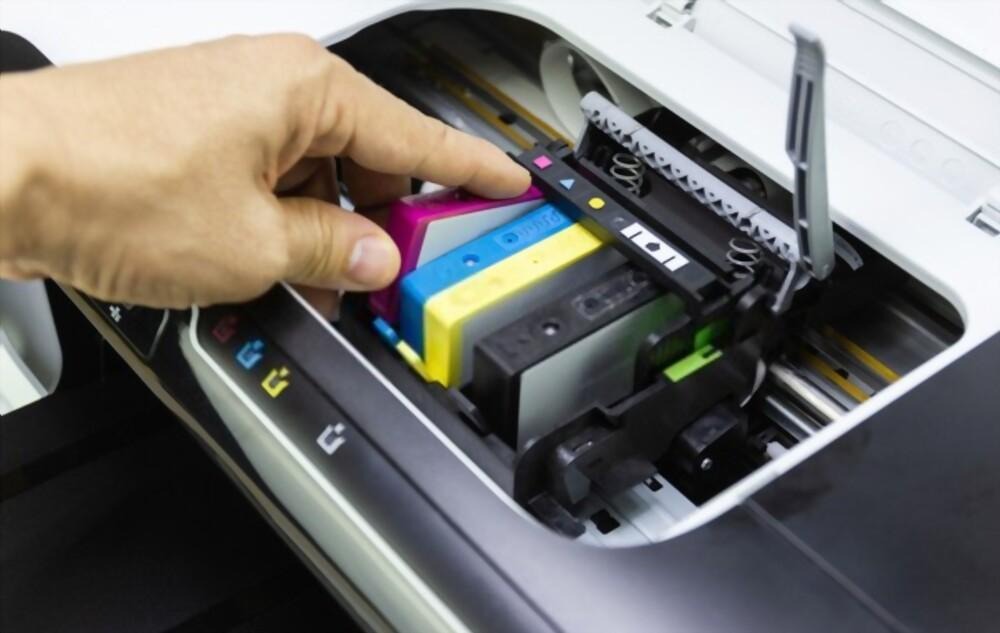
Toner cartridges are made from a combination of plastic, metal, foam, and other materials that can take hundreds of years to decompose in landfill. Many of these materials are recyclable and can be reused in manufacturing new products.
Returning toner cartridges helps:
Reduce landfill waste
Conserve natural resources
Lower carbon emissions
Support the circular economy
Prevent harmful materials from entering the environment
By choosing recycling over disposal, individuals and businesses contribute to a cleaner and more sustainable future.
Where Can You Return Toner Cartridges?
There are several convenient options available for returning used toner cartridges.
1. Office Supply Stores
Many office supply retailers offer free toner cartridge recycling programs. These stores typically have collection bins located near the entrance or customer service desk where customers can drop off empty cartridges.
Some retailers even provide rewards or loyalty points for participating in recycling initiatives.
2. Printer Manufacturer Recycling Programs
Leading printer manufacturers often operate dedicated cartridge return programs. Brands such as HP, Brother, Canon, Epson, Lexmark, and Xerox encourage customers to return genuine cartridges for recycling or remanufacturing.
Many manufacturers provide:
Free return labels
Prepaid shipping boxes
Collection services for businesses
Bulk recycling options
These programs ensure cartridges are processed through environmentally responsible recycling systems.
3. Local Recycling Centres
Many council-operated recycling facilities accept toner cartridges as part of their electronic or office waste recycling services.
Before visiting, check with your local recycling centre to confirm:
Accepted cartridge brands
Quantity limits
Opening hours
Special collection events
Local recycling centres help prevent reusable materials from ending up in landfill.
4. Workplace Recycling Programs
Many businesses now include toner cartridge recycling within their sustainability policies.
Office managers often arrange collection boxes where employees can place empty cartridges. Once full, the cartridges are collected by recycling partners or returned directly to manufacturers.
This is one of the easiest options for organisations that use printers regularly.
5. Community Collection Drives
Schools, charities, libraries, and community organisations sometimes organise recycling drives for printer cartridges.
These programs often raise funds through recycling partnerships while promoting environmental awareness within the community.
Participating supports both sustainability and local initiatives.
What Happens After You Return Toner Cartridges?
Many people are surprised to learn that returned cartridges rarely go directly into landfill.
Instead, they are carefully sorted and processed through several stages.
The recycling process typically includes:
Inspection for reuse
Cleaning remaining toner residue
Separation of plastic and metal components
Material recovery
Manufacturing into new products
Some cartridges are professionally remanufactured, refilled, tested, and sold again, reducing the need for new raw materials.
Benefits of Toner Cartridge Recycling
Returning toner cartridges offers advantages that extend far beyond reducing waste.
Environmental Benefits
Proper recycling reduces pollution by preventing plastic and electronic waste from accumulating in landfill.
It also decreases demand for new raw materials, helping conserve valuable natural resources.
Economic Benefits
Remanufactured cartridges require fewer materials to produce, reducing manufacturing costs and supporting recycling industries.
Many recycling programs also create local employment opportunities.
Business Benefits
Companies that recycle cartridges demonstrate environmental responsibility and strengthen their sustainability initiatives.
This can improve brand reputation while helping achieve corporate environmental goals.
Tips Before Returning Your Toner Cartridges
To ensure smooth recycling, follow a few simple steps.
Keep cartridges in their original packaging if available.
Seal toner openings to prevent leakage.
Avoid breaking or dismantling cartridges.
Store used cartridges in a cool, dry place.
Return cartridges promptly rather than stockpiling them.
These simple precautions help maintain the quality of cartridges during transport and recycling.
Can Toner Cartridges Be Refilled?
Yes, many toner cartridges can be professionally refilled or remanufactured several times before reaching the end of their usable life.
Refilling offers several advantages:
Reduces waste
Saves money
Conserves resources
Supports sustainable printing practices
However, it’s important to use reputable refill providers to ensure print quality and printer compatibility.
Common Mistakes to Avoid
Many people unknowingly make recycling mistakes that reduce the effectiveness of recycling programs.
Avoid these common errors:
Throwing cartridges into household rubbish bins
Burning used cartridges
Mixing cartridges with food waste
Attempting unsafe disassembly
Leaving cartridges exposed to weather
Using approved recycling channels ensures cartridges are processed safely and efficiently.
How Businesses Can Improve Cartridge Recycling
Businesses that print frequently generate a significant number of empty toner cartridges each year.
To improve recycling efforts, organisations can:
Place collection bins in printer areas
Educate employees about recycling procedures
Partner with approved recycling companies
Schedule regular cartridge collections
Track recycling performance as part of sustainability reporting
Even small improvements can make a substantial environmental difference over time.
The Future of Toner Cartridge Recycling
As environmental awareness continues to grow, recycling technologies are becoming more advanced. Manufacturers are increasingly designing cartridges that are easier to recycle and contain more recycled materials.
Many companies are also investing in closed-loop recycling systems, where old cartridges are transformed into new ones with minimal waste. These innovations support a more sustainable printing industry and reduce the environmental footprint of office equipment.
Conclusion
Knowing where to return toner cartridges is an important step toward responsible waste management. Whether you choose an office supply retailer, a manufacturer’s recycling program, a local recycling centre, or a workplace collection service, every returned cartridge helps reduce landfill waste and conserve valuable resources.
Recycling toner cartridges is a simple action with long-lasting environmental benefits. By making responsible disposal part of your routine, you contribute to cleaner communities, support sustainable manufacturing, and help build a greener future for generations to come.
Ever found yourself standing ankle-deep in murky water during your morning shower? Or perhaps you’ve watched in horror as your kitchen sink refuses to drain after a Sunday roast? If you’re a Burwood homeowner, chances are you’ve experienced the frustration of blocked drains at some point. But here’s the thing – most drainage disasters are entirely preventable.
Blocked drains are one of the most common plumbing headaches Australian households face. They’re inconvenient, smelly, and can quickly escalate into expensive repairs if left unchecked. The real cost of ignoring drainage issues goes beyond the immediate hassle. We’re talking water damage to your property, potential health risks from stagnant water, and repair bills that could set you back hundreds – sometimes thousands – of dollars.
In this guide, we’ll walk you through five practical tips to keep your drains flowing freely all year round. You’ll discover what causes blockages in the first place, learn the warning signs to watch for, and pick up some handy maintenance tricks. Plus, we’ll cover when it’s time to call in the professionals and what to expect from local blocked drain services in Burwood. Ready to say goodbye to drainage dramas? Let’s get stuck into it.
What Causes Blocked Drains in Australian Homes?
Understanding what causes blockages, the first step is towards preventing them. Different areas of your home face unique challenges and knowing these can help you stay one step ahead.
Common Culprits in Kitchen Drains
Your kitchen sink cops a lot of abuse. Grease, fat, and oil are the biggest troublemakers here. When you pour cooking oils down the drain, they might flow easily while hot. But once they cool, they solidify and stick to pipe walls, creating a sticky trap for everything else that follows.
Food scraps and coffee grounds are another major issue. Even with a garbage disposal, small particles accumulate over time. Coffee grounds, in particular, clump together and create stubborn blockages that are surprisingly difficult to shift.
Bathroom Drain Blockages
Hair is the number one enemy of bathroom drains. Combined with soap scum, it forms dense, matted clogs that slow water flow to a trickle. Foreign objects like cotton buds, dental floss, and product build-up from shampoos and conditioners only make matters worse.
Outdoor Drain Problems
Burwood properties often deal with tree root intrusion – a sneaky problem that develops underground. Roots naturally seek out moisture, and your drainage pipes are basically an all-you-can-drink buffet. Leaf litter and garden debris blocking outdoor drains is equally problematic, especially during autumn.
How Do You Know If Your Drain Is Blocked?
Spotting the early warning signs can save you from a full-blown plumbing emergency. So, what should you look out for?
Gurgling sounds from your drains are a telltale sign that air is trapped somewhere in the system. Bad odours wafting up from plug holes indicate organic matter is decomposing in your pipes. Water draining slowly from sinks, showers, or baths suggests a partial blockage is forming.
When is a slow drain considered blocked? If water takes more than a few seconds to disappear, you’ve likely got a problem brewing. Multiple slow drains throughout your home point to a main sewer line issue – and that’s definitely something you shouldn’t ignore.
Tip 1: Install Drain Guards and Strainers
This simple fix is remarkably effective. Drain guards and strainers act as your first line of defence, catching debris before it enters your pipes.
How Do Drain Covers Prevent Blockages?
These mesh or silicone screens sit over your plug holes and trap hair, food scraps, and other solids. They’re cheap, easy to install, and incredibly effective at reducing blockage risk.
Best Placement for Maximum Protection
Pop strainers in every drain – kitchen sinks, bathroom basins, showers, and laundry tubs. Clean them regularly by simply removing the collected debris and giving them a rinse. This two-minute task can prevent hours of plumbing headaches down the track.
Tip 2: Be Mindful of What Goes Down Your Drains
Prevention starts with awareness. What you put down your drains matters enormously.
What Should You Never Put Down a Kitchen Sink?
– Cooking oils, fats, and grease
– Coffee grounds and tea leaves
– Rice, pasta, and starchy foods
– Eggshells and fibrous vegetables
– Meat scraps and bones
Instead, scrape plates into the bin and wipe greasy pans with paper towel before washing. It’s a small habit that makes a massive difference.
Can You Pour Boiling Water Down the Drain to Prevent Blockages?
Yes, actually! Running boiling water down your kitchen sink once a week helps dissolve grease build-up and keeps things flowing smoothly. It’s a quick, free, and eco-friendly maintenance trick. Just be careful with older PVC pipes – warm water is safer in those cases.
Tip 3: Regular Maintenance and Cleaning Routines
Consistency is key when it comes to drain health. A little regular attention prevents major problems.
How Often Should You Clean Your Drains?
Aim for a proper clean once a month. Weekly hot water flushes help between deep cleans. If you’ve got a busy household with lots of hair or a passion for home cooking, you might need to increase frequency.
DIY Cleaning Methods That Actually Work
The classic baking soda and vinegar combo genuinely works for mild build-up. Pour half a cup of bicarb down the drain, follow with half a cup of white vinegar, wait fifteen minutes, then flush with hot water. The fizzing action helps break down organic matter.
Natural Solutions vs Chemical Drain Cleaners
Chemical cleaners are tempting because they promise quick results. However, they can damage pipes over time, harm the environment, and pose health risks. Natural alternatives are gentler on your plumbing and just as effective for regular maintenance. Save the heavy-duty chemicals for genuine emergencies – or better yet, call a professional.
Tip 4: Address Tree Roots Before They Become a Problem
Tree roots cause some of the most serious and expensive drainage issues in Australian homes. Being proactive is essential.
How Do Tree Roots Get Into Drains?
Roots are attracted to the moisture and nutrients inside your pipes. They infiltrate through tiny cracks or loose joints, then grow and expand inside the pipe itself. Over time, they create massive blockages and can even crack or collapse pipes entirely.
Preventative Measures for Burwood Properties
Know where your drainage lines run and avoid planting large trees nearby. If you’ve already got established trees near your pipes, consider having a plumber inspect the lines annually. Some homeowners use root-killing treatments, though these need careful application to avoid harming your garden.
Tip 5: Schedule Professional Drain Inspections
Sometimes, you need expert eyes on the situation. Regular professional inspections catch problems early and save money long-term.
What Does a Plumber Do to Unblock a Drain?
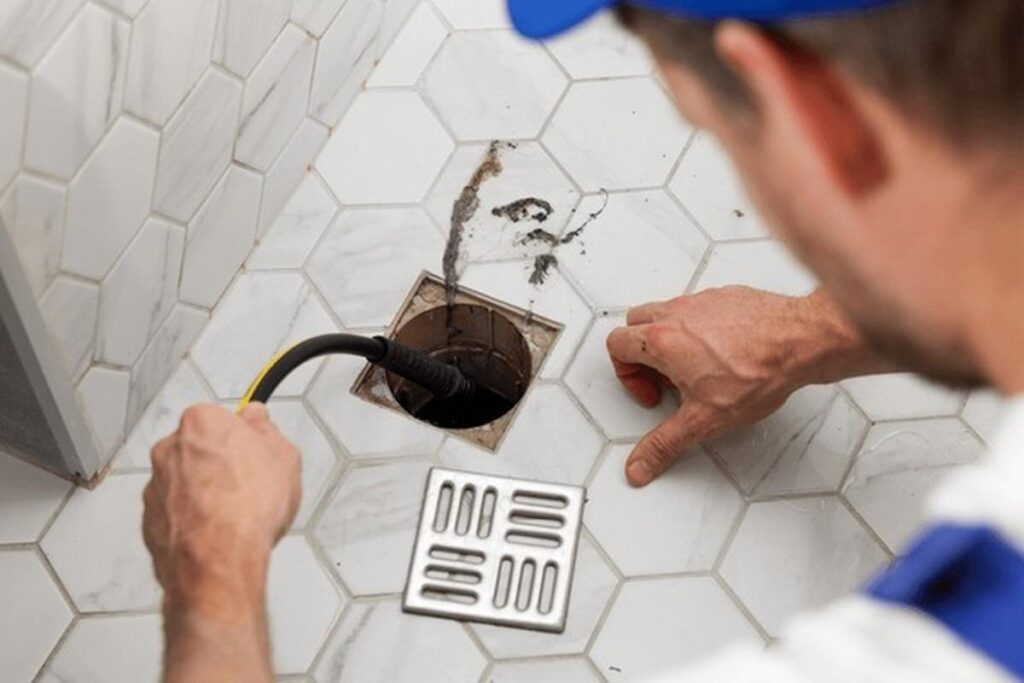
Plumbers use various tools depending on the blockage type. Drain snakes and augers physically break up clogs. High-pressure water jetters blast away stubborn build-up. For severe blockages, they might need to excavate and replace damaged sections of pipe.
Benefits of CCTV Drain Inspections
Modern plumbers can send tiny cameras through your pipes to identify problems precisely. This technology spots cracks, root intrusion, and build-up without any digging. It’s brilliant for diagnosing mysterious drainage issues and checking the overall health of your system.
What to Do When You Have a Blocked Drain Emergency
Despite your best efforts, blockages can still occur. Knowing how to respond makes all the difference.
Can You Fix a Blocked Drain Yourself?
Minor blockages often respond to DIY methods – plungers, drain snakes, or the bicarb and vinegar trick. If water is completely stopped or backing up into your home, though, it’s time for professional help.
When Should You Call a Professional Plumber?
Call immediately if you notice sewage backing up, multiple blocked drains Burwood, or water damage occurring. Also ring if DIY methods haven’t worked after a couple of attempts. The longer you wait, the worse – and more expensive – the problem becomes.
Why Choose Local Blocked Drain Services in Burwood
Benefits of Hiring a Local Plumber
Local plumbers understand Burwood’s specific drainage challenges. They arrive faster, know the common issues in older suburbs, and are invested in their community reputation. Plus, they’re usually more competitively priced than larger companies.
What to Look for in a Drainage Specialist
Check for proper licensing, read recent reviews, and ask about warranties on their work. A good plumber will explain the problem clearly and offer transparent pricing before starting any work.
Keeping Your Drains Flowing Freely Year-Round
Looking after your drains doesn’t require massive effort or expense. Simple habits like installing strainers, watching what goes down the sink, and maintaining a regular cleaning routine make an enormous difference. Addressing tree roots early and scheduling occasional professional inspections keeps you ahead of potential disasters.
The bottom line? A few minutes of prevention saves hours of frustration and potentially thousands in repairs. Your drains work hard for you every single day – they deserve a bit of care in return.
So, take action today. Install those drain guards, start your monthly cleaning routine, and bookmark a reliable local plumber’s number. Your future self – standing in a perfectly draining shower – will thank you for it.
Getting locked out of your home, office, or vehicle can be a stressful experience. Whether it happens late at night, early in the morning, or during a busy workday, having access to professional emergency locksmiths can make all the difference. Across Australia, emergency locksmith services provide fast, reliable, and secure solutions for lock-related emergencies, helping people regain access to their property quickly and safely.
What Are Emergency Locksmiths?
Emergency locksmiths are trained professionals who offer urgent lock and key services outside regular business hours. These specialists are available 24/7 to assist with a wide range of lock emergencies, including home lockouts, car lockouts, broken keys, damaged locks, and security concerns after a break-in.
Unlike standard locksmith services that may require advance appointments, emergency locksmiths respond quickly to urgent situations, ensuring minimal disruption and maximum security for customers.
Common Situations Requiring Emergency Locksmith Services
1. Home Lockouts
One of the most common reasons Australians call emergency locksmiths is being locked out of their homes. Lost keys, misplaced keys, or malfunctioning locks can prevent homeowners from accessing their property. A professional locksmith can unlock doors efficiently without causing unnecessary damage.
2. Vehicle Lockouts
Accidentally locking keys inside a vehicle is a frustrating but common occurrence. Modern vehicles often have advanced locking systems that require specialised tools and expertise. Emergency locksmiths can safely unlock cars, utes, vans, and trucks while protecting the vehicle’s security system.
3. Broken Keys
Keys can become worn over time and may snap inside locks. When this happens, emergency locksmiths can remove the broken key, repair the lock if necessary, and provide replacement keys on-site.
4. Lost or Stolen Keys
If your keys have been lost or stolen, your property’s security may be at risk. Emergency locksmiths can rekey locks or install new locking systems to ensure unauthorised individuals cannot gain access.
5. Burglary Repairs and Security Upgrades
Following a break-in or attempted burglary, immediate lock repairs are essential. Emergency locksmiths can secure damaged entry points, replace compromised locks, and recommend security upgrades to improve protection.
Benefits of Hiring Professional Emergency Locksmiths
Fast Response Times
When facing a lock emergency, time is critical. Reputable emergency locksmiths prioritise urgent calls and aim to arrive as quickly as possible. Many Australian locksmith companies offer rapid response services in metropolitan and regional areas.
24/7 Availability
Lock emergencies do not follow a schedule. Professional emergency locksmiths are available around the clock, including weekends and public holidays, ensuring help is always accessible when needed.
Advanced Tools and Expertise
Modern locks and security systems require specialised knowledge. Experienced emergency locksmiths use advanced tools and proven techniques to resolve lock issues efficiently without damaging doors, locks, or vehicles.
Enhanced Security
Professional locksmiths do more than restore access. They can assess security vulnerabilities and recommend solutions such as deadlocks, smart locks, master key systems, and high-security lock installations.
Peace of Mind
Knowing that qualified emergency locksmiths are available whenever an emergency occurs provides reassurance for homeowners, businesses, and vehicle owners across Australia.
How to Choose the Right Emergency Locksmith in Australia
Verify Licensing and Qualifications
Locksmith regulations vary across Australian states and territories. Always choose a licensed and qualified locksmith who complies with local industry requirements.
Check Availability
Reliable emergency locksmiths should offer genuine 24/7 support. Confirm their operating hours and emergency response capabilities before hiring.
Read Customer Reviews
Online reviews can provide valuable insights into service quality, response times, and customer satisfaction. Look for locksmiths with consistently positive feedback and a strong reputation.
Ask About Pricing
Emergency services may involve additional charges depending on the time and complexity of the job. Request transparent pricing and ensure there are no hidden fees before work begins.
Evaluate Experience
Experienced emergency locksmiths are better equipped to handle a wide range of lock systems, from traditional locks to modern electronic security solutions.
Emergency Locksmith Services for Businesses
Australian businesses also rely heavily on emergency locksmiths to protect their premises. Commercial locksmith services may include emergency lock repairs, access control troubleshooting, master key system maintenance, and security upgrades.
When a lock failure occurs at a business property, quick action is essential to protect assets, employees, and sensitive information. Professional emergency locksmiths help minimise downtime and restore security efficiently.
Preventing Future Lock Emergencies
While emergency locksmiths are always available to help, taking preventive measures can reduce the likelihood of future lockouts and security issues.
Some useful tips include:
Keep spare keys in a secure location.
Regularly inspect locks for signs of wear.
Upgrade outdated locks to modern security systems.
Consider keyless entry or smart lock solutions.
Save the contact details of trusted emergency locksmiths for future emergencies.
Conclusion
Lock and key emergencies can happen at any time, creating inconvenience and potential security risks. Professional emergency locksmiths provide fast, reliable, and effective solutions for residential, commercial, and automotive lock issues throughout Australia. From lockouts and broken keys to urgent security repairs, these experts ensure that Australians receive prompt assistance when they need it most.
Choosing experienced emergency locksmiths not only helps resolve immediate problems but also improves the long-term security of your property. Keeping the contact details of a trusted emergency locksmith can save valuable time and stress during unexpected situations.
The retirement phase is a critical part of one’s life and calls for proper planning. It is prudent to start building your financial base way ahead of the point when you will no longer be working. Planning for the future requires a lot more than just setting aside some cash. Some of the things you need to do include setting achievable objectives, handling risks, resource assessment and management, and adapting to changes. The five tips outlined below will assist in formulating your retirement plan.
Improve Your Financial Literacy
One of the most useful tools that you need to consider in planning for retirement is better financial literacy. Having information about investments, taxes, inflation, interest, and other strategies for retirement will help you make good choices and will avoid any kind of trial-and-error situation. Financial literacy, even at a basic level, will definitely help you out in many ways.
To increase your knowledge in these areas, you can read good financial literature, participate in seminars, or even consult professional financial experts. The more you understand about various savings plans and financial products, the more capable you will become of making good choices.
Set Clear Retirement Goals and Build a Practical Budget
A good retirement strategy always starts with clear goals. Think about what kind of lifestyle you would like to live, the expenses associated with this lifestyle, the places where you plan to travel after you retire, health care issues, and whether you will need to give financial assistance to your loved ones. It will be much easier to calculate your income requirements during the retirement stage if you estimate future expenses.
Make an appropriate budget, which consists of both necessary and optional expenses. Analyze your existing expenses and find ways to minimize them before retirement. Regular updating of your budgeting plan will help you to take into account changes associated with inflation and market conditions.
Consider Future Living Arrangements Carefully
Housing forms one of the biggest expenditures during the retired phase, and therefore it becomes imperative for you to consider your housing option after retirement. Some retirees opt for staying put in their homes, whereas others try to downsize or opt for communities that offer more services. In Australia, a lot of elderly people do a comparison between lifestyle communities.
It is important to choose reputable retirement villages in Sydney that offer transparent pricing, quality amenities, supportive services, and a welcoming environment suited to your individual needs. Taking time to compare available options can contribute to both financial sustainability and overall wellbeing.
Diversify Savings and Prepare for Unexpected Expenses
Dependence on one source of income for the retirement period is risky financially. Diversification of funds into several investments and sources of income makes it possible to increase resistance when the market is volatile. In accordance with the particular situation, your retirement savings will include retirement savings, personal investments, real estate, or other income sources.
It is important to keep an emergency fund. Medical emergencies, urgent repairs at home, and even certain family expenses might affect your retirement budget if there were no money left aside. An emergency fund gives you an opportunity to deal with any kind of surprise that comes up without disturbing the whole investment plan.
Review Your Plan Regularly and Seek Professional Guidance
Planning for retirement is a continuous activity as opposed to a single-time affair. Your plans for retirement may need revision due to changes in your income, the returns from investments, family situation, and the economy in general. Reviewing your finances at specific periods will make sure that your plan reflects any changes in your goals and aspirations.
The assistance of a professional financial planner can prove helpful in providing you with useful information in regard to planning for retirement income, taxation, estate planning, and investment management. Advice from experts together with your own personal review can help you recognize opportunities, mitigate risks, and ensure the success of your retirement plan.
In summary, retirement financial planning takes careful planning, savings, and sound decision-making. You will gain financial confidence by setting realistic goals, enhancing your knowledge about finances, investing in a diversified portfolio of investments, examining your future needs, and checking your plan on a regular basis. This way, you will be more prepared for a prosperous retirement period in the coming years.


 Miley on September 28, 2026